

Industrial Flooring is a critical component in manufacturing and production environments, providing essential support and durability for various industrial activities. These flooring systems are engineered to withstand heavy machinery, chemical spills, and other demanding conditions. Understanding the material options, installation procedures, and maintenance requirements can significantly enhance operational efficiency and safety.
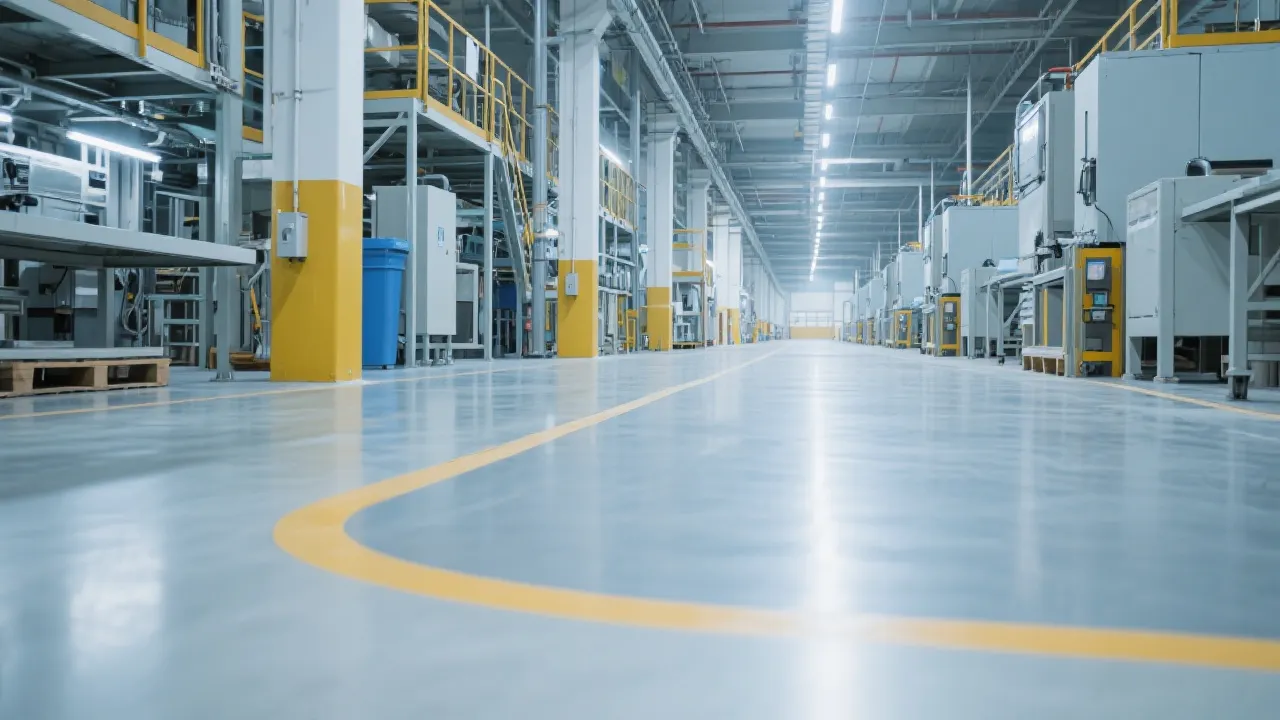
Industrial flooring plays a pivotal role in maintaining the structural integrity and safety of any production facility. In environments where heavy machinery operates and rigorous processes take place, the choice of flooring can affect the operational workflow and safety of the facility. Not only does it need to withstand physical stress, but it must also be resistant to wear, chemicals, and extreme temperatures. Furthermore, the right flooring can significantly impact employee comfort and productivity, reduce dust and allergens, and facilitate easier cleaning and maintenance. The importance of industrial flooring extends beyond mere aesthetics; it is a fundamental component of the work environment that can influence overall operational efficiency and safety.
Choosing the appropriate flooring is vital not just for functional reasons, but also for compliance with health and safety regulations, especially in industries like manufacturing, food processing, and pharmaceuticals where cleanliness and safety are paramount. For instance, flooring that reduces slip hazards can prevent accidents and injuries, ultimately leading to lower insurance premiums and reduced liability for employers. In addition, quality flooring can enhance the aesthetic appeal of a facility, creating a more professional appearance which can be crucial when clients or visitors tour the facility.
Several types of industrial flooring are available, each suited to specific needs:
Installing industrial flooring requires careful planning and execution. Key considerations include:
Proper maintenance extends the life and performance of industrial flooring:
The safety of personnel within an industrial setting is heavily influenced by the type of flooring installed. In environments where workers are on foot for extended periods, such as warehouses or production lines, flooring that provides appropriate traction can prevent slips and falls. Moreover, the choice of flooring can affect the comfort of employees; for instance, flooring that offers shock absorption can reduce fatigue, resulting in improved productivity levels. In addition, a well-chosen flooring solution can filter out dust and allergens, leading to a healthier work environment.
Furthermore, the design of industrial flooring can affect how space is utilized. For example, brighter flooring can enhance worker visibility, which is particularly important in dimly lit environments. Moreover, patterns and colors can be used strategically to delineate different areas within a facility, directing foot traffic and enhancing organization in busy spaces. This intentional design contributes not only to safety but also to the overall efficiency of operations.
As technology advances, so do the innovations in industrial flooring. Some of the emerging trends include:
Concrete, especially when treated with a protective overlay, is among the most durable options available. However, epoxy can also provide comparable durability in certain environments, particularly when chemical resistance is a priority.
The installation time varies depending on area size and material choice. For instance, epoxy flooring requires adequate curing time, which may extend the installation period. Generally, planning for several days to a week is a reasonable estimate for most installations.
Yes, many flooring solutions can be customized with different finishes, colors, and textures to meet specific operational needs. This customization can create a more visually appealing environment while also implementing functional requirements.
Some flooring materials are designed to reduce dust accumulation and can help improve indoor air quality. Vinyl and rubber flooring often come with features that minimize dust and allergens in the environment, contributing to a healthier workspace.
Evaluate your operational needs, including the type of chemicals handled, weight of equipment, and the nature of foot traffic. Consulting with flooring experts who understand these dynamics will ensure you select the most appropriate flooring solution.
| Flooring Type | Advantages | Best Use Cases |
|---|---|---|
| Concrete | Strong, durable, customizable, low maintenance | Heavy machinery zones, warehouses, manufacturing facilities |
| Epoxy | Resistant, high-gloss, seamless, easy to clean | Food processing, laboratories, retail areas |
| Vinyl | Cost-effective, easy maintenance, versatile design | Areas with foot traffic, light machinery, healthcare settings |
| Rubber | Cushioning, slip resistance, excellent acoustic properties | Workshops, gym facilities, play areas for children |
Choosing the right industrial flooring requires a thorough understanding of the specific demands of your operational environment. By considering the material properties, installation, and maintenance requirements, businesses can significantly enhance their facility's safety and productivity. Consulting with flooring experts can provide valuable insights and help tailor a solution that aligns with both budgetary constraints and operational needs. As the industry evolves, remaining aware of emerging trends and innovations will enable facilities to leverage the best flooring solutions available, ensuring not only compliance with safety standards but also fostering a productive and efficient work environment.


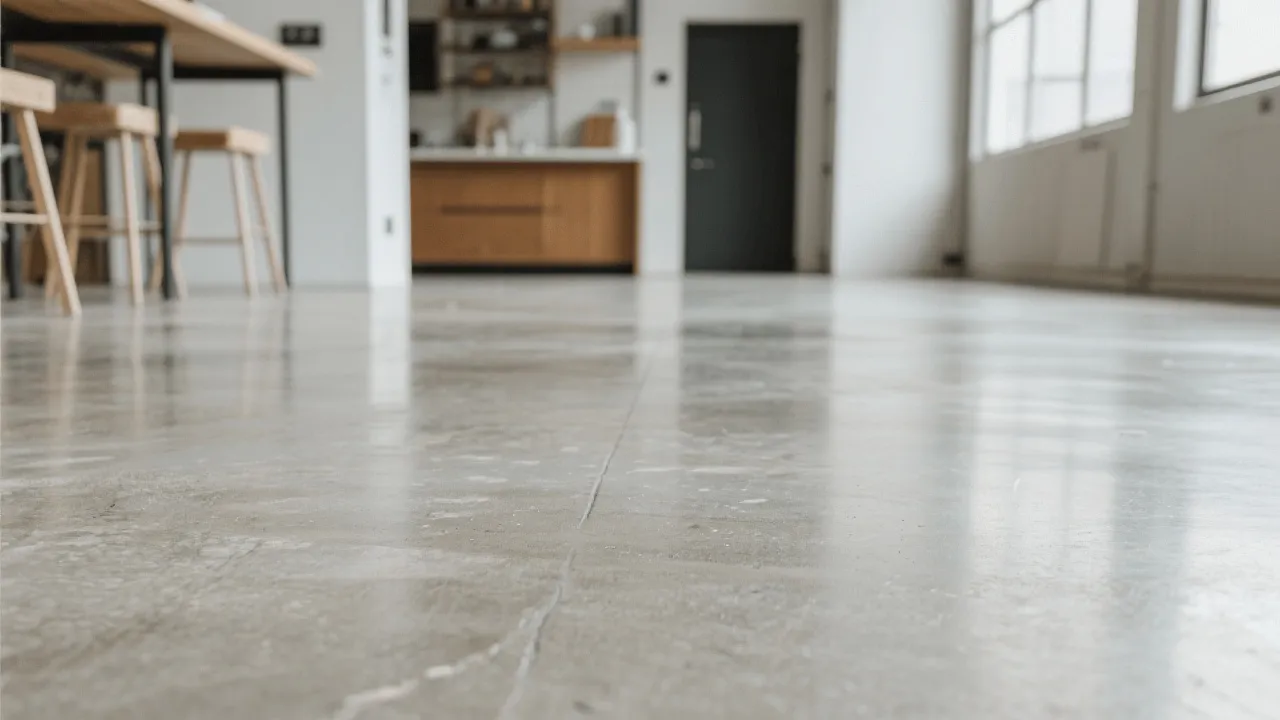
O concreto polido antiderrapante é uma solução inovadora que une estética, segurança e durabilidade. Esta abordagem moderna é amplamente utilizada em ambientes comerciais e residenciais, oferecendo superfícies elegantes que são ao mesmo tempo funcionais. As vantagens incluem resistência, facilidade de limpeza e personalização, tornando-se uma opção popular para várias aplicações.
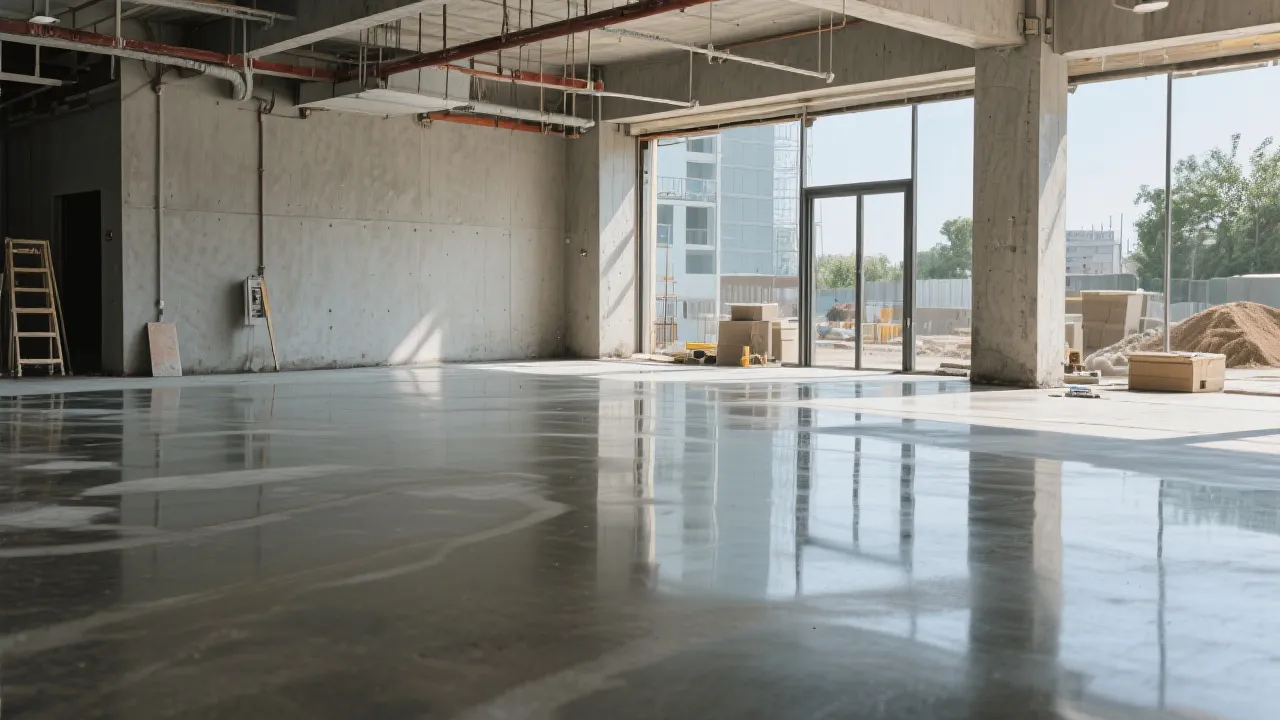
O concreto polido antiderrapante é uma escolha popular para pavimentações devido à sua durabilidade e segurança. Amplamente utilizado em ambientes industriais e comerciais, esse material combina estética com funcionalidade, garantindo resistência ao deslizamento sem comprometer o design sofisticado dos espaços.
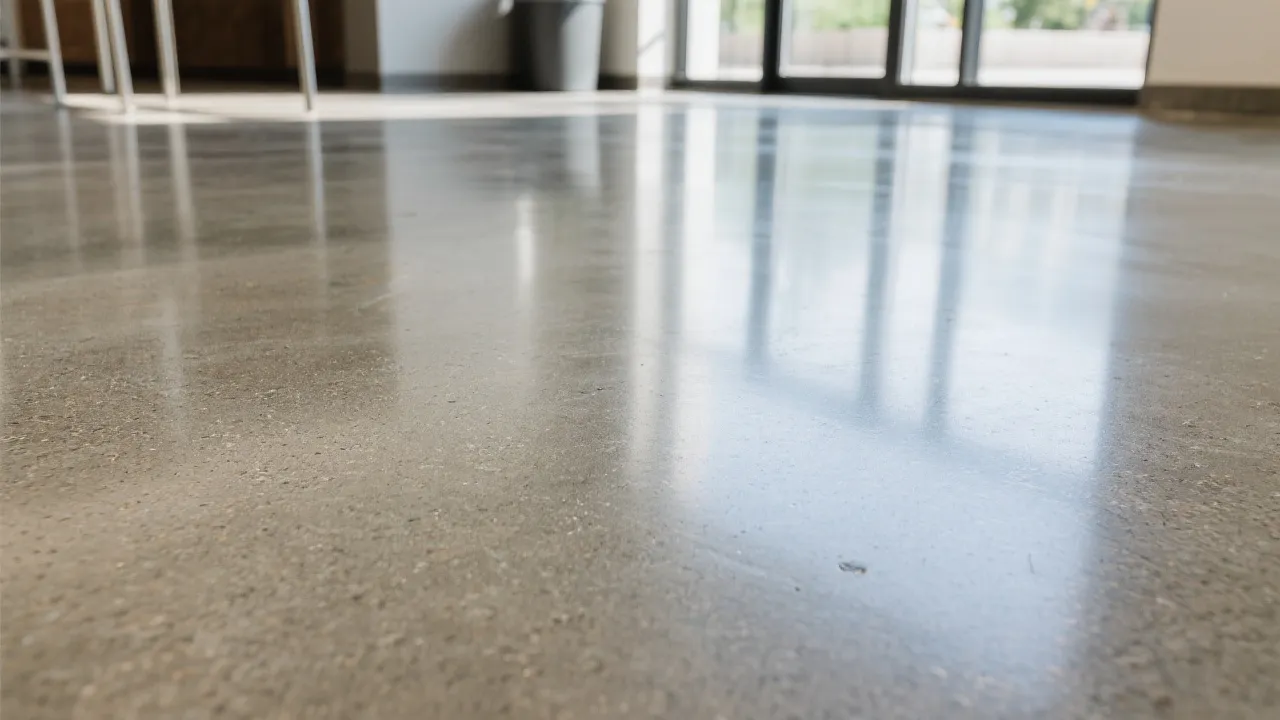
Explore the world of "Concreto Polido Antiderrapante" as a practical solution for safe, durable, and aesthetically pleasing flooring. This flooring option combines the strength and elegance of polished concrete with added safety features to prevent slips, making it ideal for commercial and residential spaces looking for a modern, low-maintenance flooring solution.
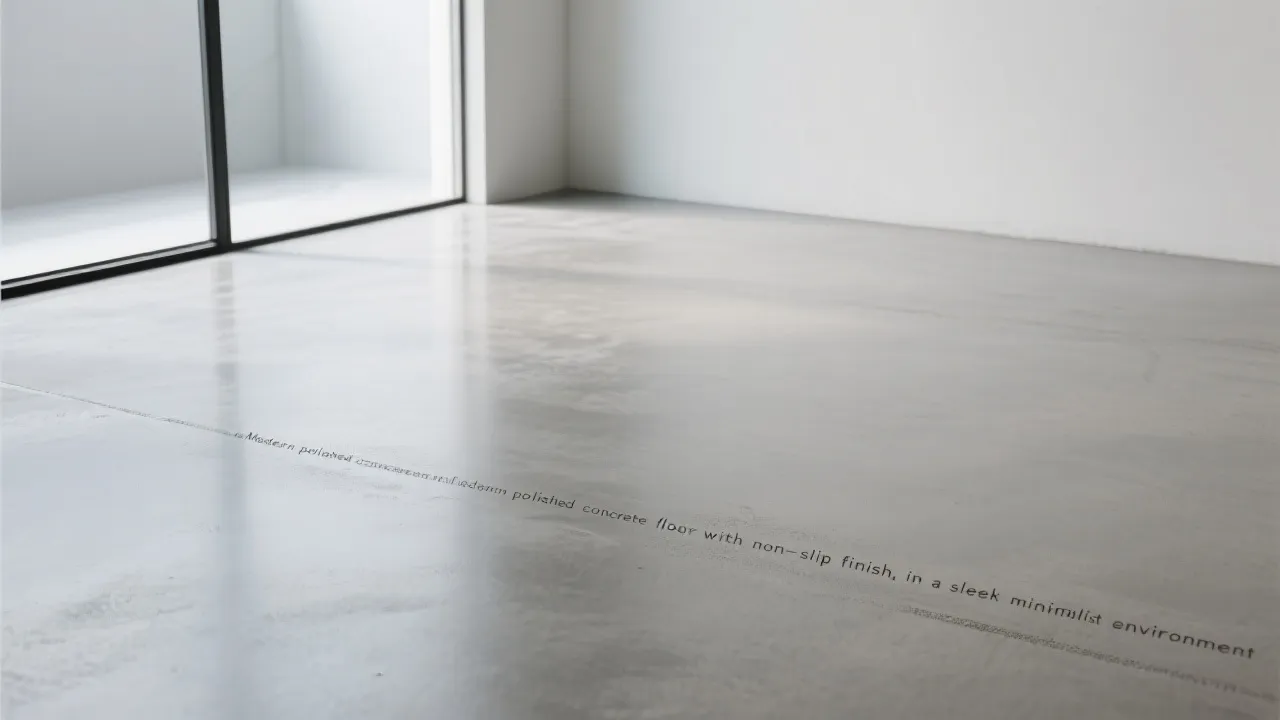
O concreto polido antiderrapante é uma solução inovadora e segura para pisos, combinando estética e funcionalidade. Este tipo de acabamento é ideal para diversas aplicações, de residências a áreas industriais, garantindo um espaço seguro e elegante. Descubra as vantagens e utilizações deste material em ambientes variados, além de dicas de manutenção e durabilidade.
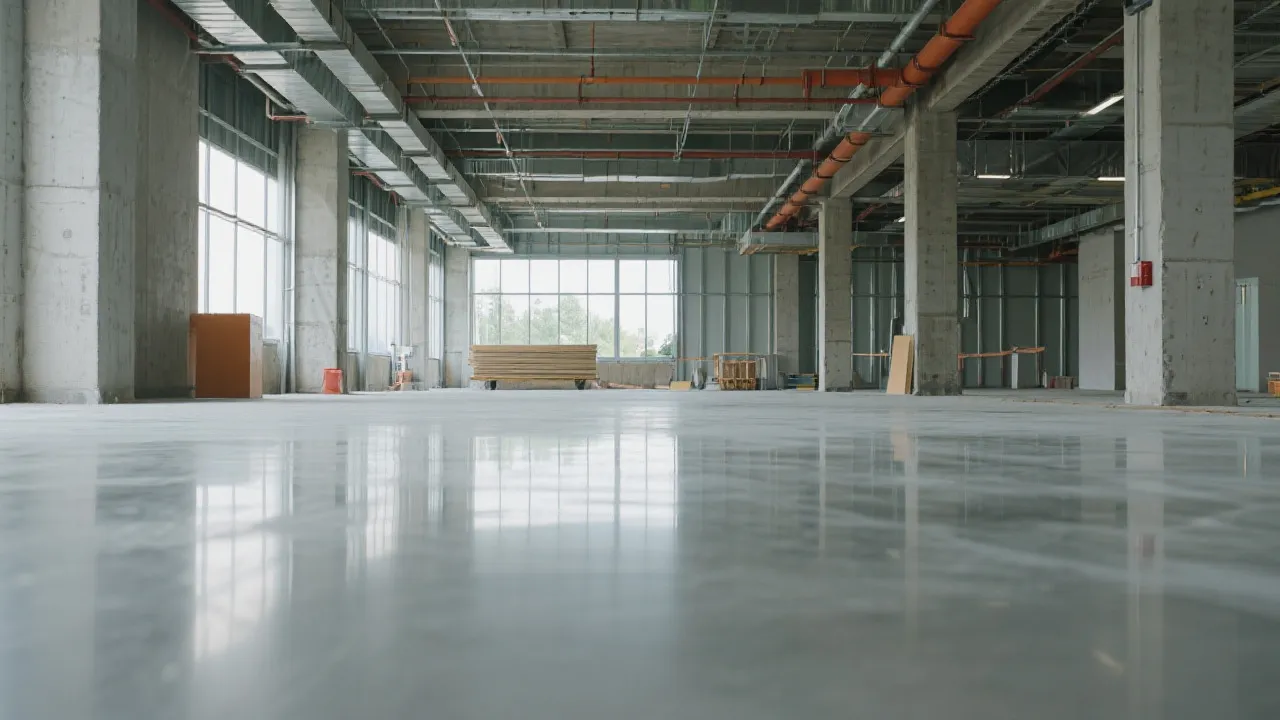
O Concreto Polido Antiderrapante é uma solução de pavimento cada vez mais popular devido à sua durabilidade e segurança. Este tipo de concreto é especialmente tratado para oferecer uma superfície lisa, mas segura, que reduz o risco de escorregões. Ele é ideal para locais de alto tráfego, como aeroportos, shoppings e fábricas, onde a praticidade e a estética são primordiais.
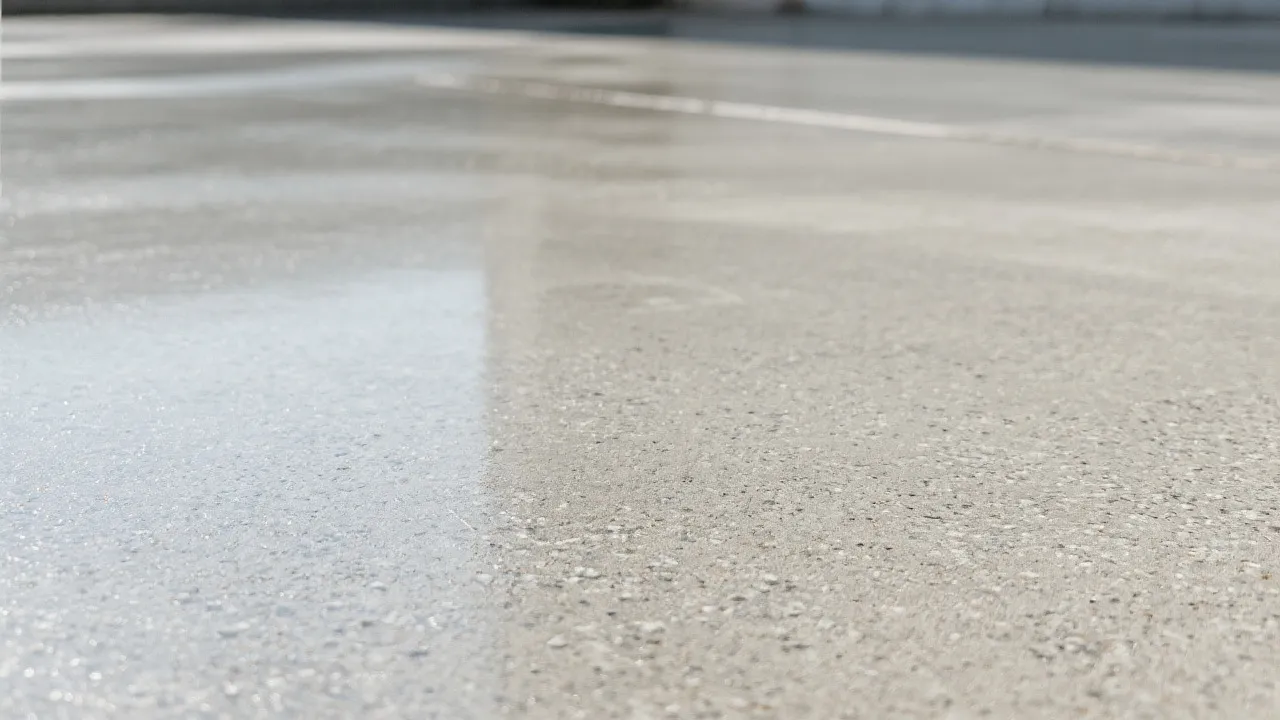
O artigo destaca as vantagens do concreto polido antiderrapante, uma solução moderna que integra beleza e segurança em pisos. Amplamente utilizado em locais que necessitam de superfícies seguras, como áreas industriais e comerciais. Exploramos suas características, aplicações e benefícios, com enfoque na redução de acidentes e na durabilidade.